
The Ghost in the Machine: Decoding Iran’s 2026 Propaganda Engine
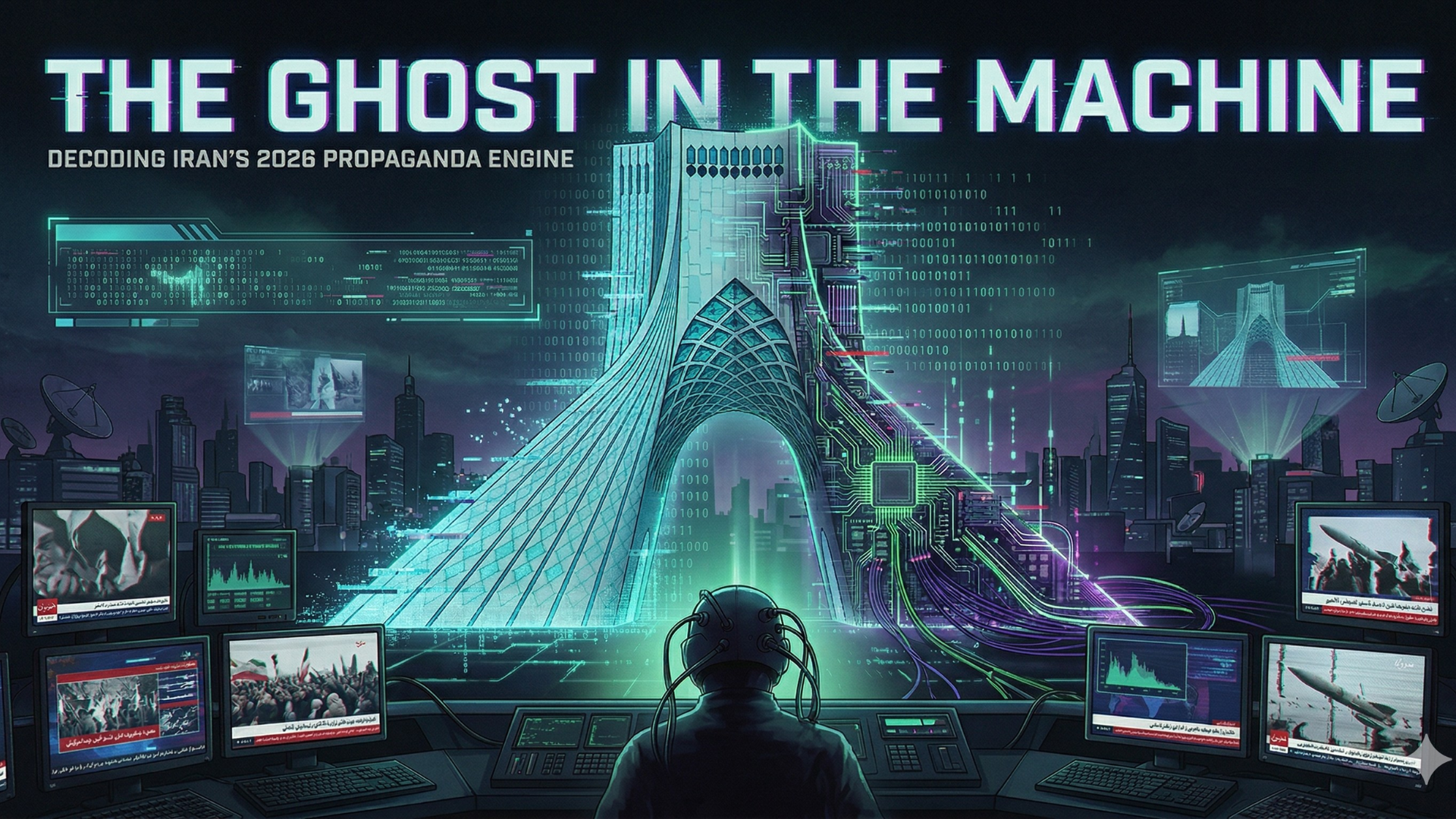
For decades, the Islamic Republic of Iran’s wartime propaganda was a predictable diet of "Sacred Defense" iconography: stoic martyrs, weeping mothers, and burning flags. But as we stand in the spring of 2026, following the regional escalations of the past winter, the regime has traded its grainy posters for a high-definition, AI-driven digital arsenal. The "Soft War" has gone hyper-scale, and the lines between reality and simulation have never been thinner.
The Rise of the "Synthetic Martyr"
In earlier conflicts, the death of a high-ranking IRGC commander was a propaganda hurdle, a moment of vulnerability. Today, it is a content opportunity. Following the precision strikes in Kerman this past February, Tehran didn't just issue a press release. Within hours, deepfake videos of the fallen officers appeared on Telegram, "delivering" messages of resilience from beyond the grave. These "Synthetic Martyrs" serve a dual purpose, they maintain domestic morale by denying the finality of death and create a cult of digital immortality that traditional censorship cannot touch.
Narrative Inversion: The "AI-Washing" Tactic
Perhaps the most sophisticated shift in 2026 is Iran’s use of narrative inversion. When authentic footage of the December bread riots in Isfahan leaked to the West, the state-run Fars News Agency didn't just claim the footage was "fake." They launched a coordinated campaign using technical jargon to "prove" the videos were AI-generated. By pointing to microscopic glitches, real or imagined, they successfully sowed enough doubt to paralyze international headlines.
In the age of the deepfake, Iran has learned that they don't have to convince you of their truth, they only have to make you stop believing your own eyes.
The Axis of Algorithms and Western Compliance
The 2026 propaganda machine isn't just targeting Iranians. It is exported through the "Axis of Resistance," but it is also being invited into Western living rooms.
- The Houthi "Virtual Blockade": In early March, viral clips showed a swarm of Iranian-made "Mohajer-10" drones disabling a Western carrier. While the Pentagon confirmed the video was a high-end CGI render, the clip garnered 40 million views in the Global South before the correction even hit the wires.
- The Paradox of Qatar’s Amplification: The role of Al Jazeera remains baffling. Despite Qatar being targeted during the Iranian missile escalations this January, the network continues to act as a megaphone for IRGC narrative products.
- The Western Media "Welcome Mat": Perhaps most egregious is the trend of Western news networks inviting Iranian officials and ambassadors to prime-time slots under the guise of "balanced journalism." These officials are rarely pressed on the current Strait of Hormuz blockade, the illegal uranium enrichment levels, or the expulsion of IAEA inspectors. While they spread state-approved talking points, critical issues like the rapid development of a sanctioned ballistic arsenal, the funding of global terrorism, and the surge in public executions without trial are conveniently left out of the frame.
- The "Anti-Trump" Conduit: Analysts note a disturbing trend where deep-seated polarization in the West, particularly the reflexive opposition to anything associated with the Trump administration’s previous "Maximum Pressure" legacy, has created a massive blind spot. By framing their aggression as a "resistance to imperialist bullying," Iranian officials have successfully bypassed the critical filters of many Western journalists. The result is a dangerous penetration of state-sponsored narratives; because the source opposes a divisive Western figure, their propaganda is often treated with a degree of empathy and platforming that would be unthinkable for any other regime committing public executions and nuclear brinkmanship.
The Verdict: A New Front Line
As we move further into 2026, Iran’s strategy has moved beyond simple lies. It is now about cognitive saturation. By flooding the digital ecosystem with a mix of hyper-nationalist fervor, AI-generated victories, and technical gaslighting, often aided by the very Western platforms they seek to undermine, the regime has built a digital fortress.
For the West, the challenge is clear: in a war where the enemy can render a battlefield in a server farm and defend it on a London-based news set, the most dangerous weapon isn't a missile, it’s the algorithm that tells you the missile never landed.
Disclaimer: The views, thoughts, and opinions expressed in this article belong solely to the author and do not necessarily reflect the official policy or position of EDS as a whole, its leadership, or its donors. Content published in Bullseye Magazine is intended for analytical and informational purposes.