
Making Youth Affordable Again
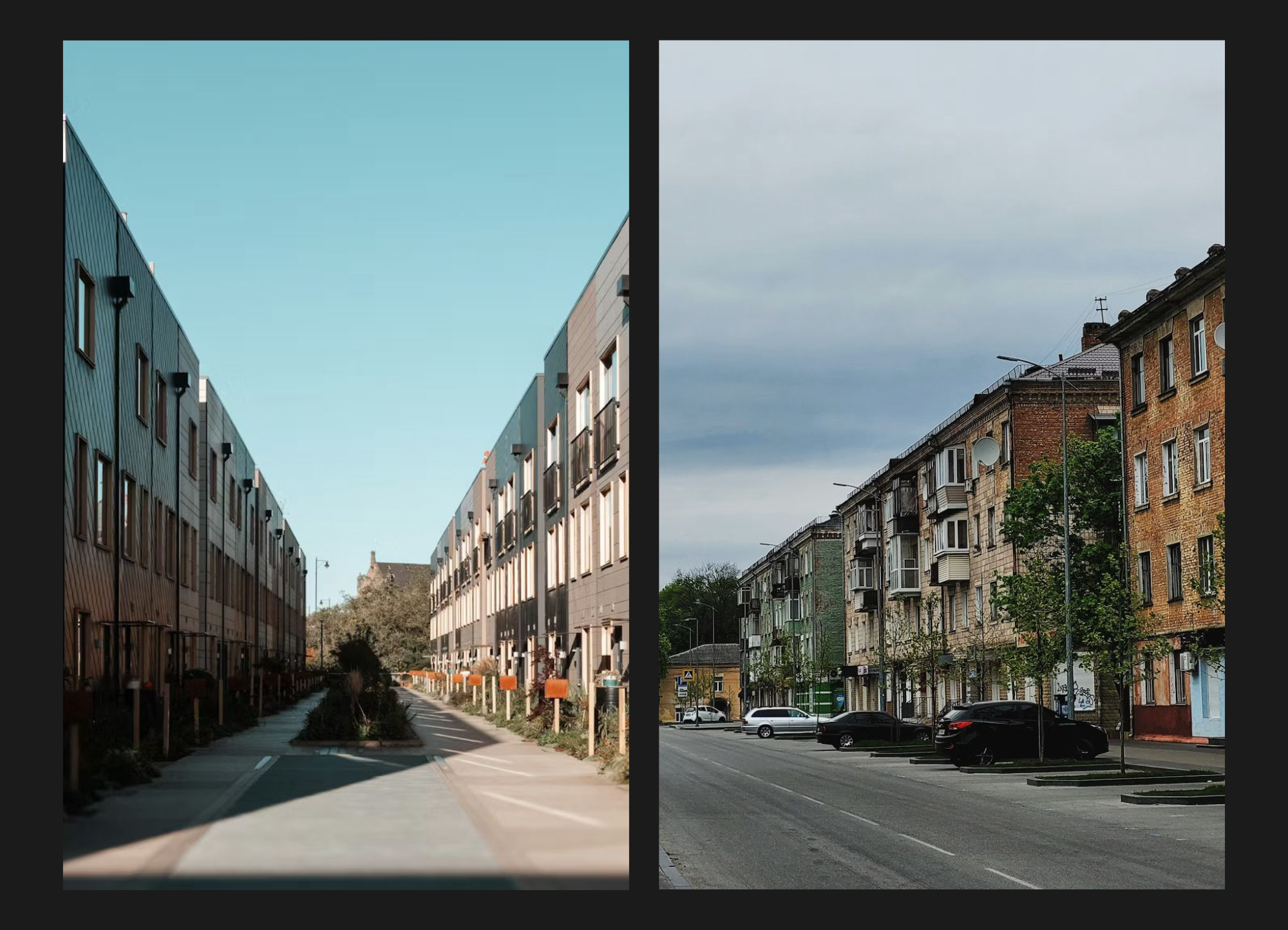
There is a quiet but undeniable reality shaping Europe today: being young has become too expensive. The transition from education to independence, once a natural part of life, now feels like an uphill climb through rising rents, precarious work, and shrinking opportunity. The phrase “making youth affordable again” may sound ironic, but it captures a truth that policymakers across the continent can no longer ignore.
The Economics of Delay
Across the European Union, young people are taking longer to leave home, to find stable work, and to start families. According to the latest Eurostat data, the average age at which young Europeans leave their parental home rose to 26.2 years in 2024, with the highest figures recorded in Croatia, Slovakia, and Greece - all above 30 years. Even in more prosperous Member States, independence comes late and at a cost.
Housing pressures are a major factor. Eurostat reports that 9.7% of young Europeans (aged 15–29) live in households where housing costs exceed 40% of disposable income. In cities such as Dublin, Amsterdam, and Athens, rental costs have surged faster than wages, leaving students and early-career professionals competing for shrinking affordable options. These are not temporary fluctuations; they are symptoms of structural imbalance between generational demand and political inertia.
The same data reveal a broader trend, young people face higher risks of poverty and social exclusion than the general population. In 2024, the AROPE rate (At Risk of Poverty or Social Exclusion) for individuals aged 15–29 stood at 24.1%, compared to 21% across all age groups. These numbers do not represent mere economic inconvenience; they indicate a generational shift in who gets to build a stable future.
The Cost of Education and Mobility
For decades, Europe prided itself on giving its youth access to education, culture, and cross-border mobility. But these pillars of opportunity are also under strain. The cost of higher education, student accommodation, and transport has risen steadily, while grants and scholarships have not kept pace.
Mobility programmes such as Erasmus+ remain among the EU’s most successful projects, yet accessibility is uneven. Students from lower-income backgrounds are often forced to decline placements due to inadequate financial support. Europe’s commitment to “equal opportunity” rings hollow when mobility is a privilege reserved for those who can afford it.
Making youth affordable again means not only reducing costs but recalibrating priorities - expanding digital learning, strengthening vocational pathways, and ensuring that education and mobility remain engines of inclusion, not exclusion.
Labour Markets and the Mirage of Stability
Even when education succeeds, the labour market too often fails to deliver. Young workers across Europe face unstable contracts, delayed promotions, and wage stagnation. Many are overqualified for the jobs they hold; others are excluded altogether. The pandemic intensified these trends, and the recovery has been uneven.
For policymakers, the solution is not more rhetoric but reform. Reducing the tax and social security burden on entry-level income, incentivising youth entrepreneurship, and modernising licensing regimes are tangible steps. A young graduate should not have to choose between professional experience and financial survival.
But the deeper issue is philosophical: Europe has normalised precarity as a stage of life, as if instability were a rite of passage rather than a policy failure. Making youth affordable again means recognising that dignity - not just income - should be a benchmark of success.
Housing and the First Freedom
Few indicators reflect autonomy more clearly than housing. To rent a flat, to share a space, to move where opportunity exists - these are the foundations of independence. Yet, for many, they have become luxuries.
The scarcity of affordable housing is not merely an economic problem; it is a civic one. When young people are priced out of city centres, they are also priced out of civic participation - of proximity to universities, cultural life, and political engagement. Europe must shift its focus from short-term rent controls to long-term structural supply through easing construction barriers, investing in youth housing schemes, and rewarding innovative urban planning that accommodates younger residents.
Intergenerational Fairness and the Future
Perhaps the most difficult conversation Europe must have is about intergenerational equity. The same societies that promise sustainability to future generations often do little to sustain the present one. Rising public debt, rigid pension systems, and inflated property markets have collectively shifted the cost of today’s comfort onto tomorrow’s workers.
Making youth affordable again means recognising that intergenerational fairness is not just an economic concern, it is a democratic one. Young Europeans should not inherit systems that make their independence financially unattainable. The sustainability of Europe’s social model depends on restoring balance between protection and opportunity.
Towards a Renewed Social Contract
Europe’s youth are not asking for perpetual assistance, they are asking for a fair chance. To make youth affordable again is to reimagine the social contract, one that rewards effort, restores affordability, and renews trust in institutions.
The task ahead is as much moral as it is political. The affordability crisis of Europe’s youth cannot be solved by one policy or one government; it requires coordination across education, housing, and labour markets. It demands an honest reckoning with the choices that made independence a privilege rather than a right.
The good news is that this is not a story of decline but of potential. Europe still has the means, and arguably the moral responsibility, to make youth affordable again. The question is whether it will have the courage.